Echolight REMS Technology

What is a REMS bone density test?

REMS stands for Radiofrequency Echographic Multi Spectrometry. It is an advanced ultrasound technology that evaluates both your bone density and your bone quality — with no X-rays and no radiation exposure at any point.

  • No radiation — safe for repeat monitoring
  • Measures bone quality, not just density
  • FDA-cleared Echolight technology
  • About 15 minutes, start to finish
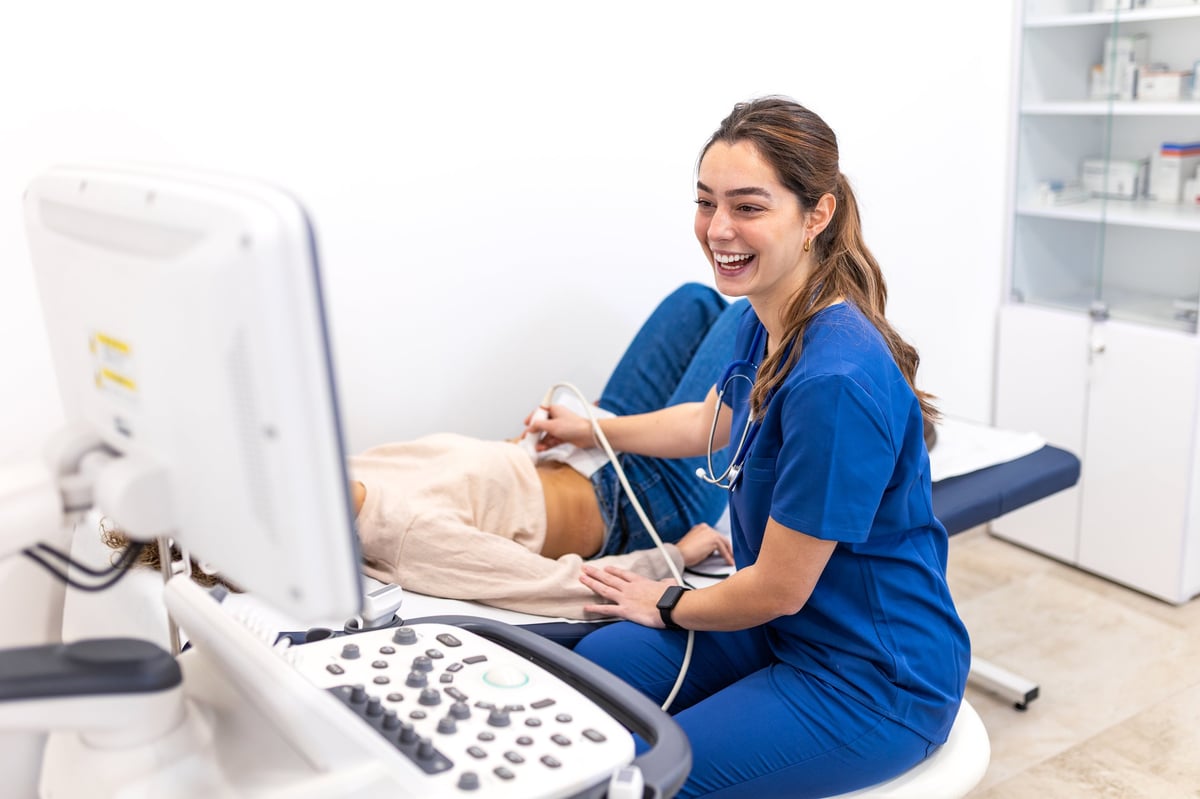
Clinician performing a radiation-free ultrasound diagnostic scan using advanced sonogram equipment

Bone Density — T-Score

The standard measure of how your bone mineral density compares to a healthy young adult.

Bone Quality — Fragility Score

An independent analysis of your bone's internal structure, estimating fracture risk over the next 5 years.

Both, in one test

DEXA rarely assesses bone quality at all. Every REMS test reports both measures.

Accuracy, Safety & Depth

Why REMS with Echolight over DEXA?

DEXA has been the standard bone density test for decades. REMS addresses three limitations that matter when you and your physician are deciding what to do next.

01

Greater accuracy

DEXA readings can be distorted by calcium buildup from arthritis, producing a false reading that then informs treatment decisions. REMS filters out those distortions and several other sources of error — and studies show it detects the smallest bone density variations more reliably than traditional X-rays.

Clearer clinical picture for you and your doctor.

02

No radiation at all

DEXA uses ionizing radiation. REMS uses ultrasound — no X-rays, no ionizing radiation. The CDC states that even small doses of radiation should be avoided if practical, and their safety guidance is ALARA: as low as reasonably achievable.

Safe for regular monitoring, and for patients advised to avoid DEXA.

03

More comprehensive

Every REMS test reports the T-Score for bone density and the Fragility Score for bone quality. DEXA rarely assesses bone quality at all, and when it does it can only assess the spine — while REMS reports it for both the spine and the femoral neck.

A proven advantage in predicting fracture risk.

The Evidence

What the published research says

“REMS technology has proven its worth in osteoporosis diagnosis and in predicting fracture risk in large populations. After reviewing the current works in the literature, it was determined that there are several advantages of this technology, such as:

  • the possibility to evaluate bone quality;
  • the ability to overcome some of the limitations of DXA;
  • the possibility to allow clinicians to assess bone status with periodic follow-up without radiation when there are no other usable radiological methods (e.g., childhood, pregnancy); and
  • the transportability, ease of use, and economic sustainability of REMS.
Published in Diagnostics, a peer-reviewed medical journal

Studies also show the 5-year risk of an osteoporotic fracture is determined more accurately by the REMS Fragility Score alone than by bone density scores from a DEXA scan.

Conditions & Risk Factors

What conditions is REMS used for?

Osteoporosis and osteopenia are the most common conditions REMS is used to diagnose.

Osteopenia

Bone density below normal, heading toward osteoporosis. As bone strength decreases, the risk of fracture increases.

Osteoporosis

Significant bone density loss with an elevated risk of fracture. Often called a silent condition, because it develops without pain until a break happens.

Doctors also prescribe REMS testing when a person has a medical condition, medication, or behavior known to cause bone density loss.

Medical conditions linked to bone loss

  • Type 1 diabetes
  • Lupus & rheumatoid arthritis
  • Hyperthyroidism
  • Hyperparathyroidism
  • Celiac disease
  • Asthma
  • Multiple sclerosis
  • Anorexia
  • Inflammatory bowel disease
  • Crohn's disease & colitis

Lifestyle factors & other risks

  • Smoking and regular alcohol use
  • A sedentary lifestyle
  • Long-term medications — steroids, antacids, chemotherapy
  • Weight-loss drugs such as Ozempic, Wegovy, and Mounjaro
  • Age — bones weaken as we get older
  • Sex — women have a higher incidence, though men get osteoporosis too
  • Ethnicity — Caucasian and Asian women show higher risk
How It Works

Ultrasound waves and radiofrequencies, no X-rays

Bostdia uses Echolight technology that combines ultrasound waves with radio frequencies to build detailed bone density images. The process is simple, non-invasive, and provides immediate results — a small probe is passed over the surface of your skin, with nothing to undress for and nothing to fast beforehand.

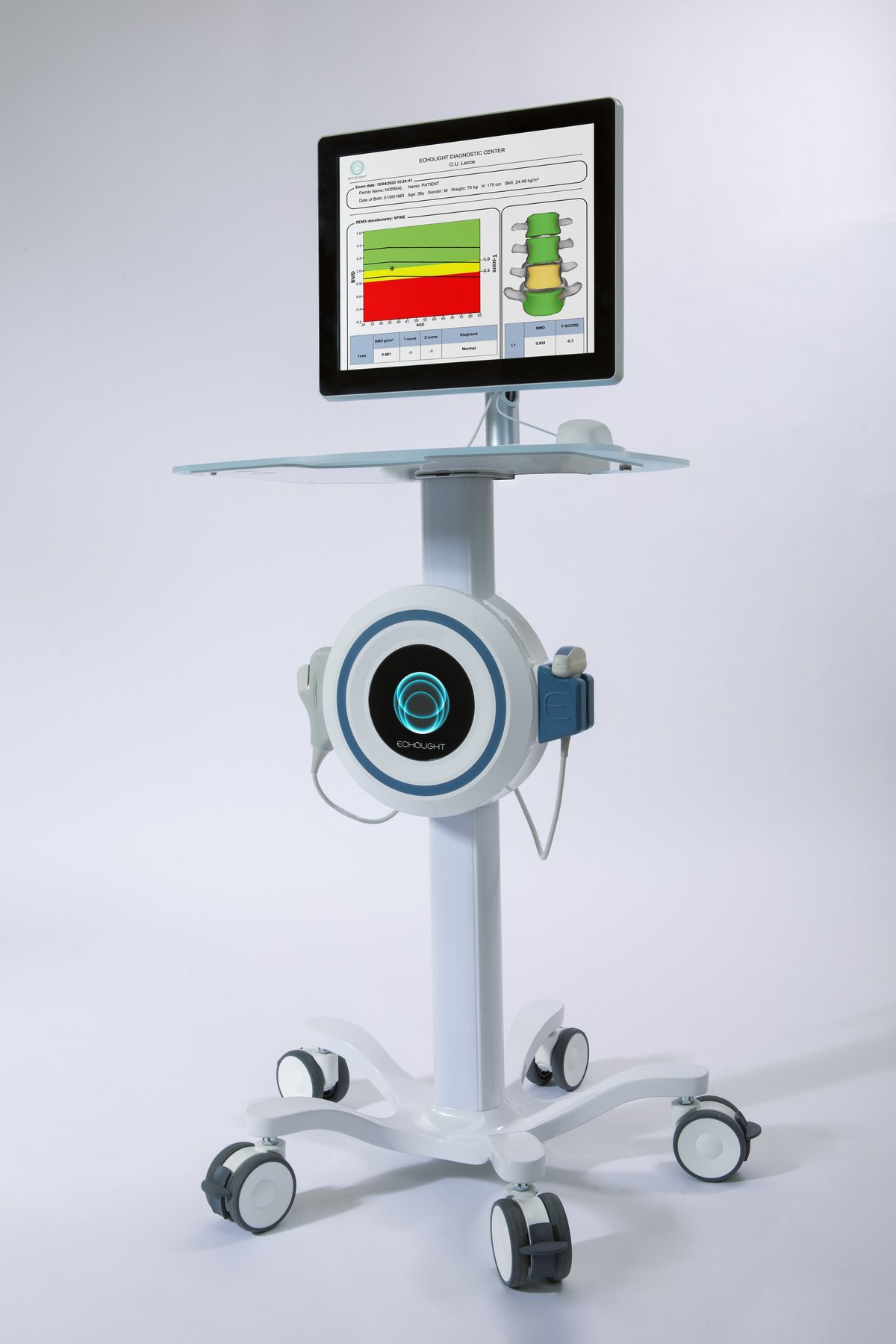
EchoLight REMS bone density scanner — a portable ultrasound-based diagnostic station on a wheeled cart

What areas does a REMS test evaluate?

REMS testing evaluates two sites — the same ones that matter most for assessing fracture risk:

1

The lumbar vertebrae (L1–L4)

The lower back section of your spine, where compression fractures most commonly occur.

2

The femoral neck

The part of the thigh bone that connects to the hip — a fracture here is among the most serious.

What your report includes

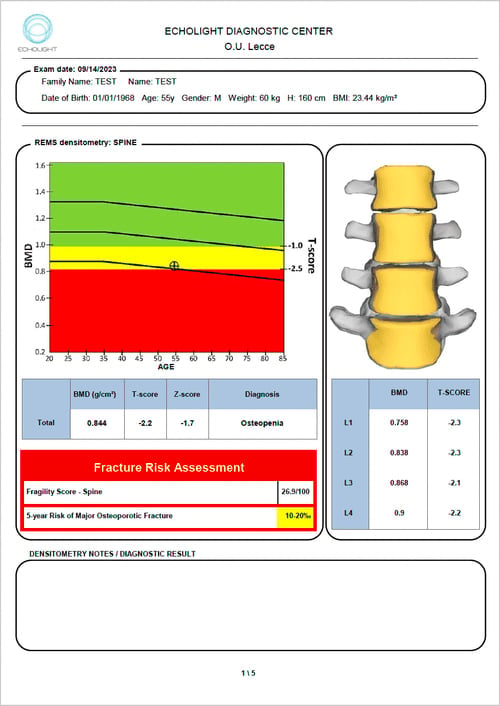
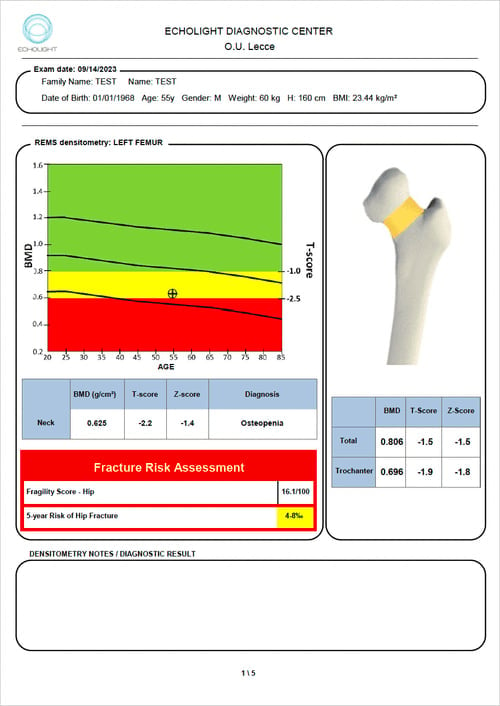
Bone density is evaluated at both sites and reports all the parameters commonly used to diagnose osteoporosis:

  • Bone Mineral Density (BMD)
  • T-Score
  • Z-Score

A Fragility Score is also reported for both the spine and the femoral neck — an independent analysis of your bone's internal structure, used to estimate fracture risk over the next 5 years.

See a sample report

Every REMS test produces a clear, easy-to-read report your physician can act on. Here's what one looks like for each site.

Common Questions

Questions about the REMS bone density test

Is REMS safe?

Yes. Unlike a DEXA scan, REMS uses no ionizing radiation and no X-rays. The CDC notes that even small doses of radiation should be avoided if practical, and their guidance for radiation safety is ALARA — as low as reasonably achievable. REMS testing has no ionizing radiation at all.

Is the Echolight REMS test cleared by the FDA?

Yes. REMS technology designed by Echolight has been approved by the FDA for use in the United States for bone density diagnostics.

Who performs the REMS test at Bostdia?

Every REMS test at Bostdia is completed by a licensed ultrasound technician or a registered nurse. We hold our team to the highest standards of skill, safety protocol, and respect for the people we serve.

Can I have a REMS test if I am pregnant or breastfeeding?

Women who are pregnant, breastfeeding, of fertile age, or living with anorexia may need more frequent bone density testing. Because DEXA involves X-ray exposure, it is not recommended in these cases. REMS is a safe and effective option for anyone advised to avoid DEXA scans and radiation.

Why has my doctor not heard about REMS testing?

Until recently, REMS testing was offered at only a handful of facilities in the United States. While there is a large body of research showing its accuracy and safety record, many physicians are not yet aware of it. As REMS reports circulate more widely, the number of doctors who understand and prescribe REMS continues to increase.

How does a REMS test compare to a DEXA scan for arthritis?

Arthritis is one of the most common causes of DEXA inaccuracy. Calcium buildup associated with arthritis can distort a DEXA reading, producing a false result that then informs treatment decisions. REMS filters out those distortions — along with several other issues that affect DEXA — providing a more accurate clinical picture.

How long does the test take, and is it uncomfortable?

The scan itself takes about 15 minutes. It is painless and non-invasive — a probe is passed over the surface of your skin at your lower back and hip. There is no fasting, no preparation, and nothing to change out of.

Do I need a referral to book a REMS scan?

No referral is required to book with us. Many patients come to us on a physician's recommendation, and we are glad to share your results with your care team. If you do have a referring physician, let us know when you book.

Have a question we haven't answered? Get in touch or call 833-454-7263.

Testing & Building

Why OsteoStrong is a preferred location for REMS testing with Bostdia

Bostdia partners with several OsteoStrong locations to provide REMS bone health testing — bringing together two organizations that serve the same goal.

Bostdia — measure and monitor

State-of-the-art diagnostic testing for the detection and monitoring of changes in your bone strength and bone quality.

OsteoStrong — build and strengthen

State-of-the-art physical modalities designed to increase bone strength and bone quality.

Together, Bostdia and OsteoStrong bring elite bone testing and bone-building techniques under one roof.

Ready to know the strength and quality of your bones?

About 15 minutes, no radiation, and a report your physician can act on. Serving patients across New York and New Jersey.

Also explore our locations and the research behind REMS.